
Understanding UK Electrical Systems Voltage, Wiring & Regulations Explained
Every domestic electrical installation in the UK relies on a carefully designed electrical system that delivers power safely from the electricity supply to sockets, lighting, and fixed electrical equipment.
Table of Contents
- UK Voltage, Electrical Current and Power Supply
- Ring Circuits and Radial Circuits Explained
- Consumer Units, Fuse Boards and Protective Devices
- Earthing Systems in the UK (TN-S, TN-C-S and TT)
- Safety Considerations of PME / TNCS systems
- Electrical Wiring Colours and Conductors
- Single-Phase and Three-Phase Power Supplies
- Why UK Electrical Systems Differ From Other Countries
- Part P of the Building Regulations
- Importance of Inspection and Regular Maintenance
- Final Thoughts
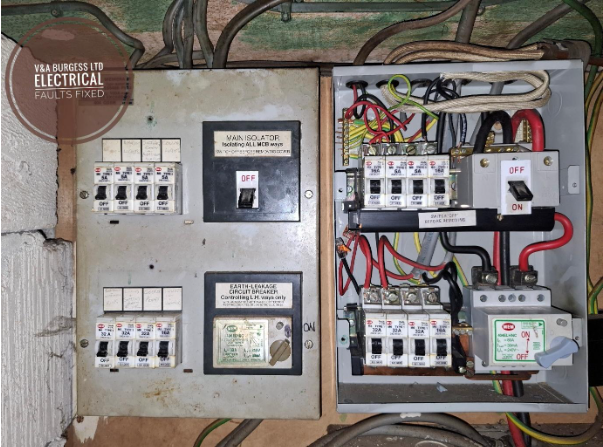
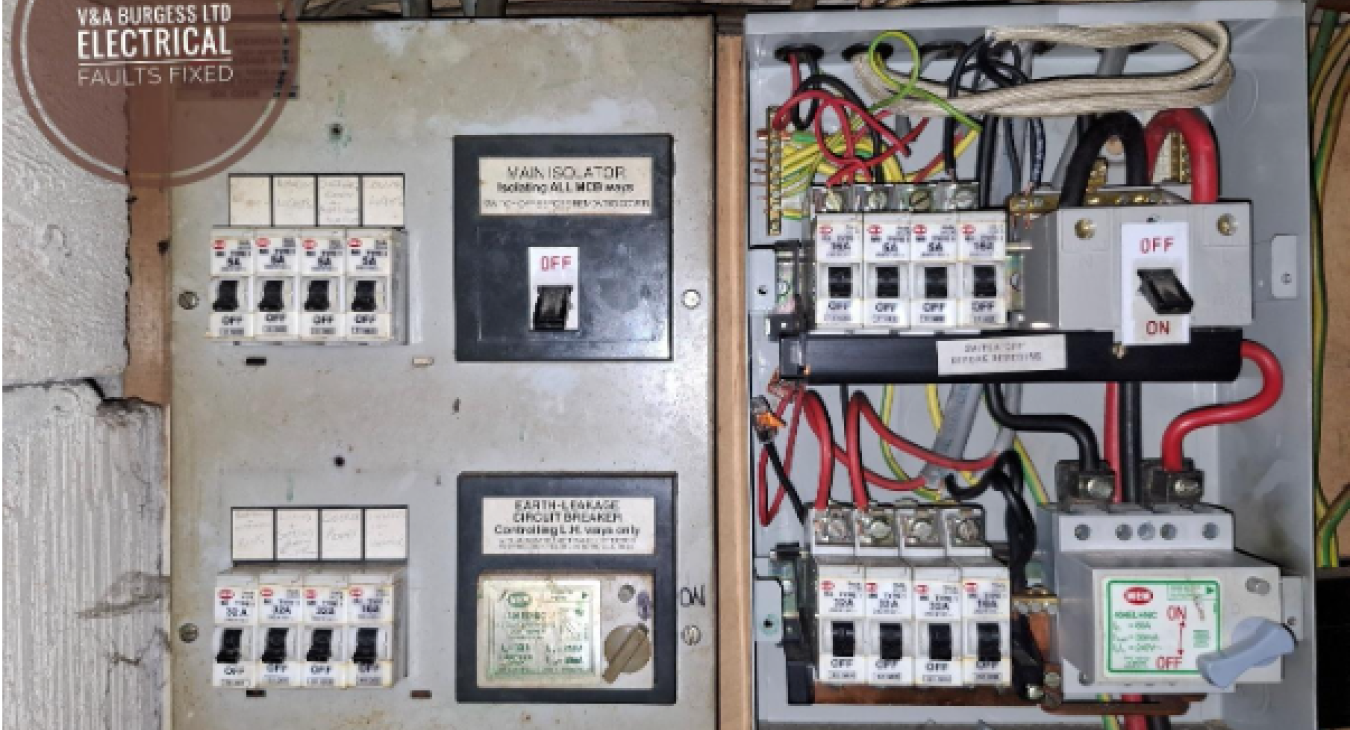
While most homeowners never see what happens behind walls or inside the consumer unit (also known as a fuse box or distribution board), these systems play a vital role in protecting cables from damage and people from electric shock, electrical fires, and damage to appliances.
If you are experiencing problems such as tripping circuit breakers, buzzing fuse boards, or signs of faulty wiring, you can find practical guidance on common issues in the blog section of our website: https://www.electricalfaultsfixed.com
This guide explains how UK electrical systems work, including voltage, electrical circuits, earthing systems, and the safety regulations that govern all electrical installations in residential properties.
Back to top
1) UK Voltage, Electrical Current and Power Supply
Most residential homes in the UK receive electricity via a single-phase supply, sometimes referred to as a single-phase system. This type of electrical supply uses:
- One live (phase) wire (Line Conductor)
- One neutral wire (neutral conductor)
- One earth wire (protective conductor)
UK homes operate at approximately 230 volts (218-253) and 50Hz. The voltage difference between the live wire (line conductor) and the neutral wire causes electrical current to flow. This current travels from the power source, through the electrical circuits and appliances, and returns safely via the neutral conductor.
The earthing conductor and the circuit protective conductor (cpc) does not normally carry current under fault free conditions. Its purpose is to protect against electrical faults by providing a safe path for fault current, allowing protective devices to disconnect the supply quickly and reduce the risk of electric shock.
Because the UK electrical supply operates at a relatively high voltage, electrical shocks can be serious. This is why strict electrical safety standards and best practices apply to all electrical work.
Back to top
2) Ring Circuits and Radial Circuits Explained
Ring Circuit (Ring Final Circuit)
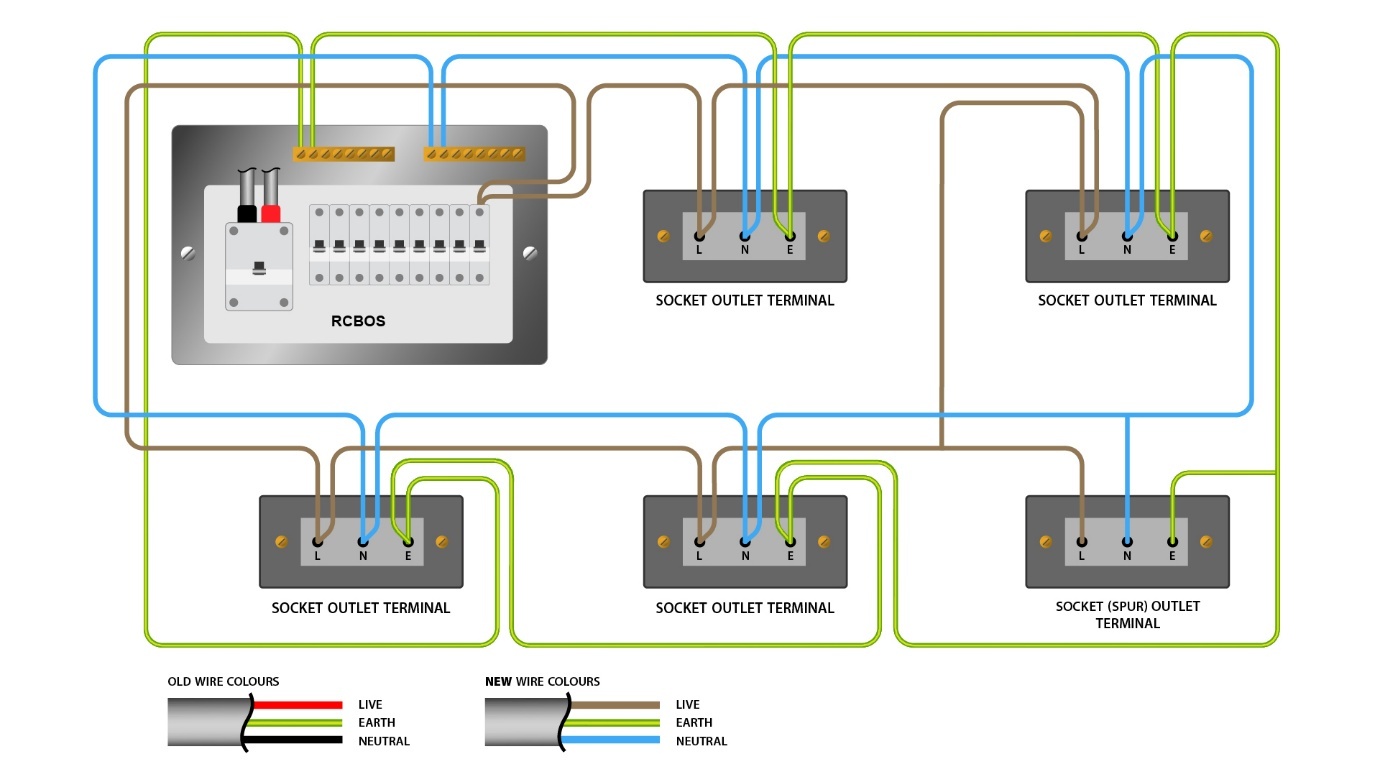
The ring circuit is a defining feature of UK electrical installations. A ring final circuit starts at the consumer unit, loops through multiple socket outlets, and returns to the distribution board, forming a complete ring.
This wiring system:
- Shares electrical load efficiently if designed correctly
- Allows multiple sockets to be supplied from one circuit
- Uses less electrical cable than equivalent radial circuits
- Can safely supply high power when correctly installed
If a ring circuit is damaged or incomplete, it can lead to overheating and potential hazards. This is why ring circuits must be correctly tested during inspections.
In some circumstances, a spur is allowed from the ring final circuit as can be seen in the bottom right of the above diagram. A qualified electrician will consult BS7671, and in particular appendix 15, to determine what connections are allowed in each circumstance.
Radial Circuits
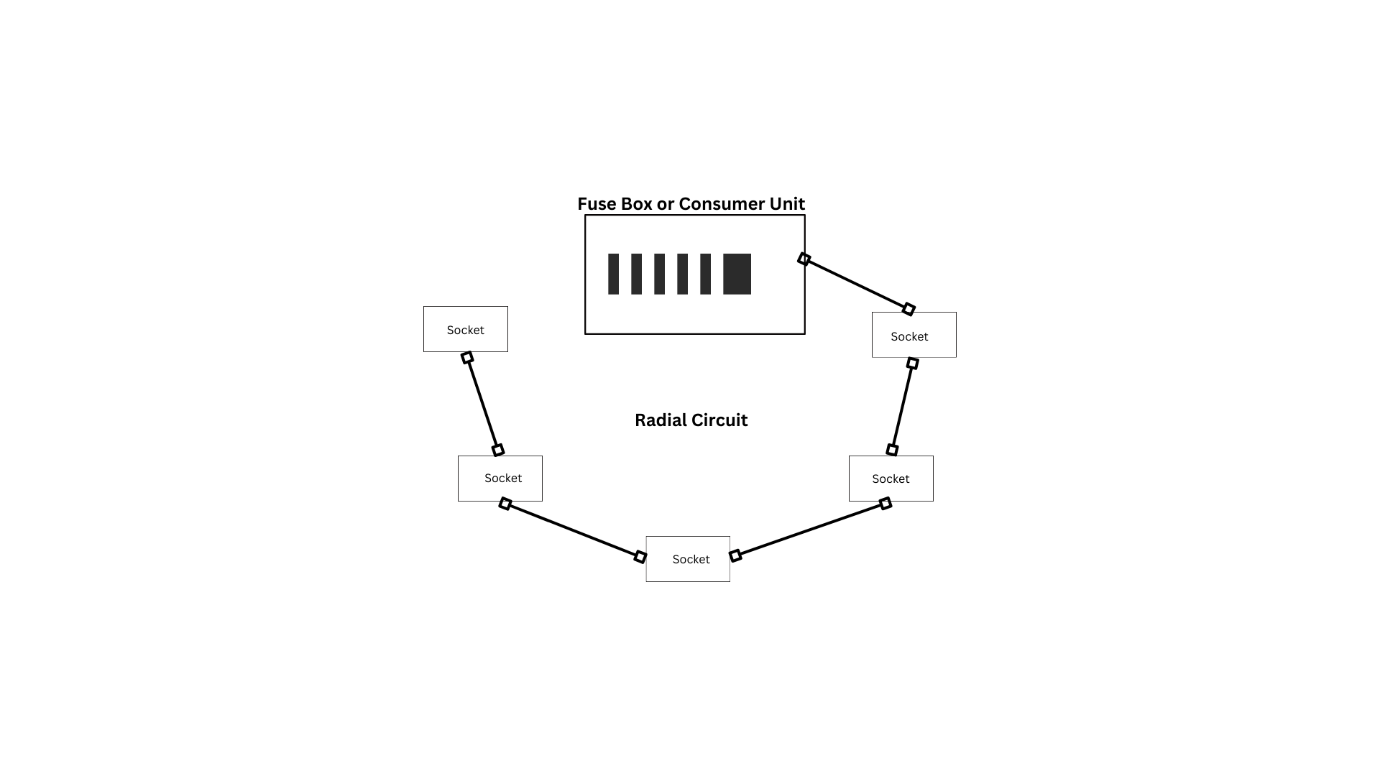
A radial circuit runs from the fuse box to the final outlet on the circuit and does not return. Radial final circuits are commonly used for:
- Lighting
- Electric Cookers
- Electric showers
- Dedicated supplies for large electrical appliances
- Smaller socket outlet circuits
Both ring and radial circuits are protected by circuit breakers, such as miniature circuit breakers (MCBs), which guard against overloads and short circuits.
Back to top
3) Consumer Units, Fuse Boards and Protective Devices
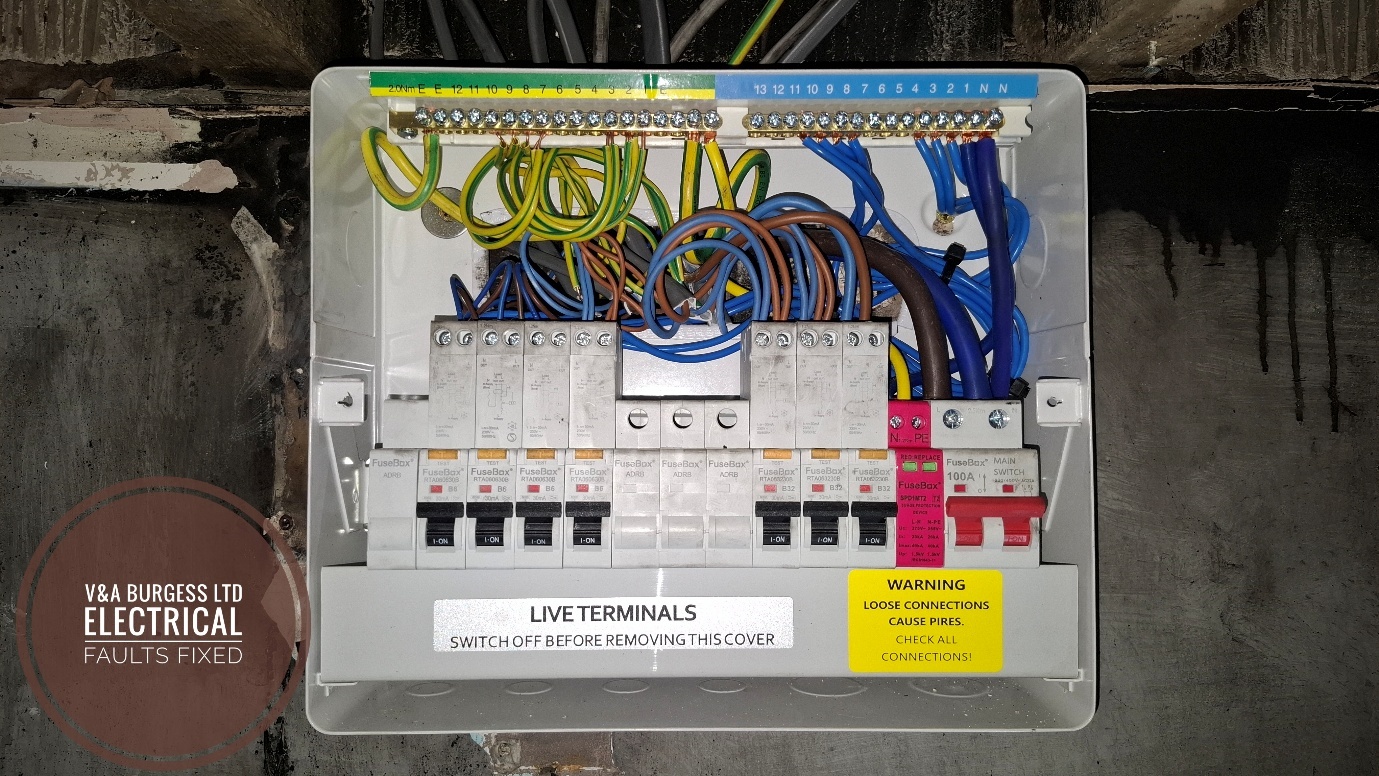
The consumer unit (sometimes called a fuse board or distribution board) controls how electricity is distributed around your home or business. It plays a pivotal role in electrical safety.
Modern consumer units typically include:
- A main switch to isolate the electrical supply
- Miniature circuit breakers
- Residual Current Devices (RCDs) or RCBOs
An RCD monitors the flow of electricity between the live and neutral wires. If an imbalance occurs, such as current leaking to earth, the RCD disconnects the supply rapidly, helping to prevent electric shock and electrical fires.
Many older installations still rely on outdated fuse boards and older consumer units that do not meet current safety standards. Upgrading these systems is often recommended following the production of an Electrical Installation Condition Report (EICR). More information on EICRs can be found here.
Back to top4) Earthing Systems in the UK (TN-S, TN-C-S and TT)
Earthing is one of the most important safety measures in any electrical installation. It provides a controlled path for fault current, allowing protective devices to operate quickly.
There are three main earthing systems used in the UK.
TN-S Earthing System
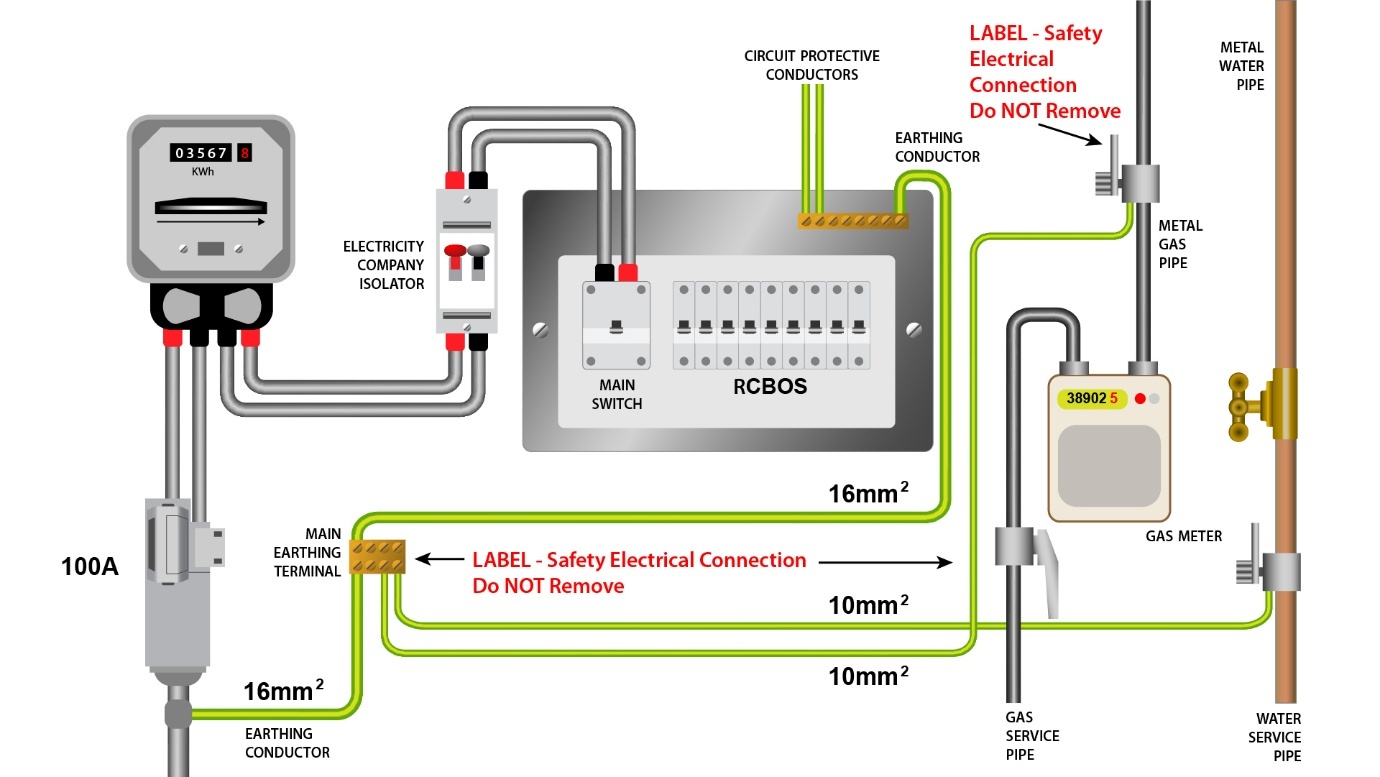
The TN-S (Terra Neutral - Separate) earthing system is commonly found in older installations. In this system, the electricity supply provides a separate earth conductor, usually via the metal sheath of the supply cable.
Characteristics of TN-S systems include:
- Separate live, neutral, and earth conductors
- Low earth fault loop impedance
- Reliable disconnection of protective devices when faults occur
However, the effectiveness of a TN-S system depends on the condition of the supply cable sheath. Deterioration of the sheath underground over time can reduce its effectiveness, which is why inspection and testing are essential.
TN-C-S (PME) Earthing System
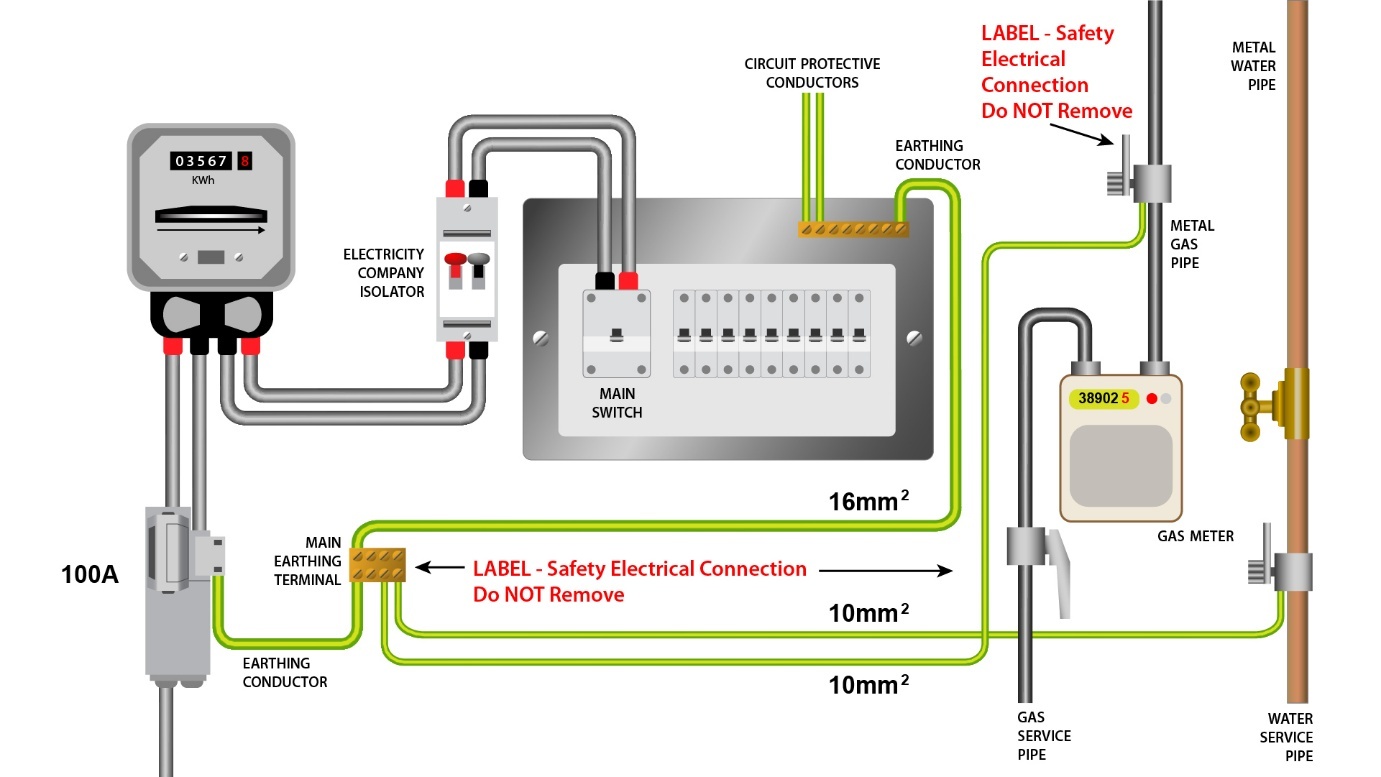
The TN-C-S system, also known as Protective Multiple Earthing (PME), is the most common earthing arrangement in modern UK residential properties.
In this system:
- The neutral and earth are combined in the electricity supply network
- They are separated at the service head within the property
- The earth terminal is connected to all protective conductors
TN-C-S systems provide very low earth impedance and rapid fault clearance. However, correct main bonding to gas and water services is essential. Special precautions may also be required for electric vehicle charging points and outbuildings.
Back to top5) Safety Considerations of PME / TNCS systems
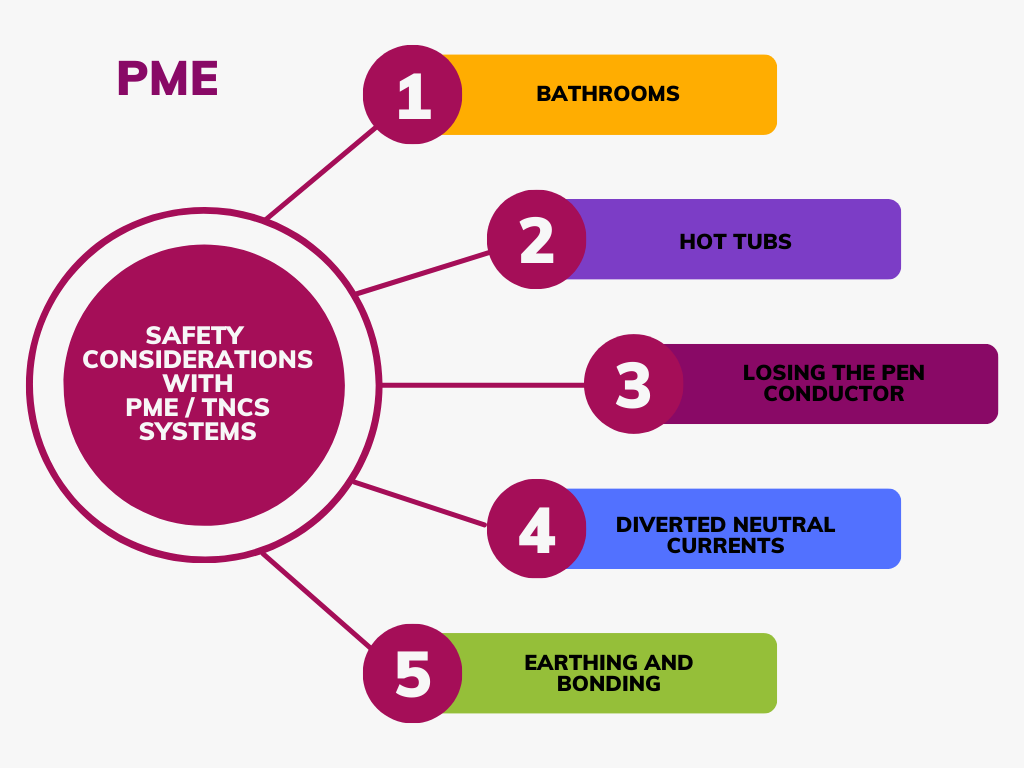
When using a TN-C-S system your electrician will make a number of careful considerations to ensure that safety standards are met. Whilst TNCS systems are generally considered reliable and safe, there are some circumstances which could give rise to danger such as the loss of the PEN (Protective Earth Neutral) conductor.
TT Earthing System
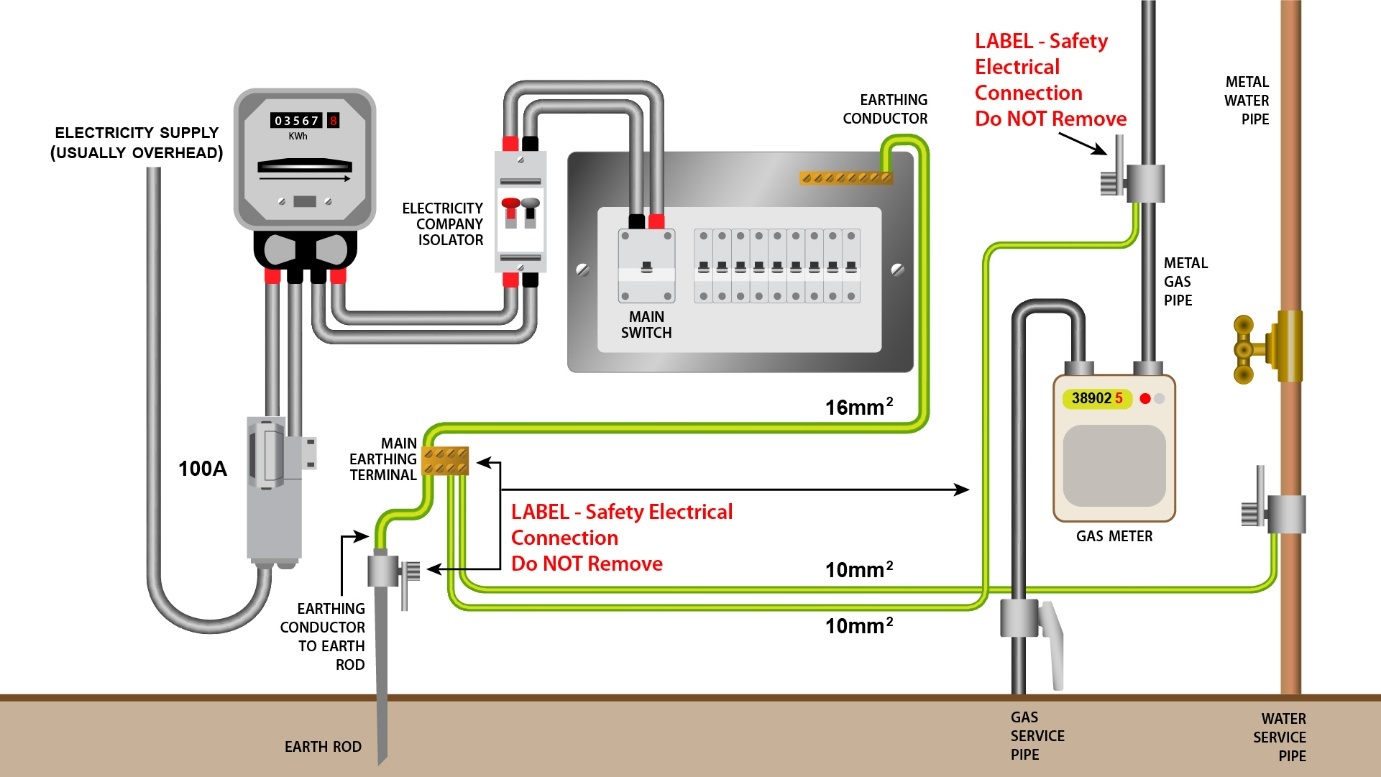
A TT earthing system is typically used where a reliable supply earth is not available, such as in rural locations.
In TT systems:
- The property has its own earth electrode (earth rod)
- The electricity supplier does not provide an earth
- Fault current flows through the ground
- Incoming supply cables are often overhead
Because fault currents may be lower due to a higher earth fault loop impedance, RCD protection is essential. Regular maintenance and testing are critical to ensure continued electrical safety.
Back to top6) Electrical Wiring Colours and Conductors
Modern UK electrical wiring colours follow harmonised standards:
- Live / Line: Brown
- Neutral: Blue
- Earth / CPC : Green and yellow stripes
Older properties may still contain red and black wiring. Mixing old and new wiring colours can be confusing and dangerous, reinforcing the importance of using a qualified electrician for any electrical work.
Back to top
7) Single-Phase and Three-Phase Power Supplies
Single-Phase Supply
Most residential homes use single-phase power supplies, which are sufficient for standard household energy consumption. A single phase supply consists of a single Line conductor and a Neutral conductor
Three-Phase Supply
A three-phase power supply uses three live conductors and is typically found in:
- Industrial buildings
- Larger residential homes
- Properties with high electrical load
- Homes with solar panels or electric vehicle chargers
Three-phase systems allow electrical load to be balanced more efficiently and may be monitored using 3-phase smart meters or AMR devices.
Back to top
8) Why UK Electrical Systems Differ From Other Countries
UK electrical systems differ due to:
- Ring circuits
- Fused plugs
- Strict safety regulations
- Oversight by organisations such as the British Standards Institution
Advice from non-UK sources often fails to account for these differences and can lead to unsafe installations.
Back to top
9) Part P of the Building Regulations
Part P of the Building Regulations governs electrical safety in residential properties. It applies to new installations, consumer unit replacements, and certain types of electrical work. The approved document can be found on the UK Government website: https://www.gov.uk/government/publications/electrical-safety-approved-document-p All work must comply with the IET Wiring Regulations (BS 7671). Official guidance can be found on the IET website: https://www.theiet.org
Back to top
10) Importance of Inspection and Regular Maintenance
Regular inspections help identify:
- Faulty wiring
- Loose connections
- Damaged electrical cables
- Overloaded circuits
Carrying out regular maintenance helps prevent electrical fires, improves safety, and provides peace of mind. Domestic Installations in the UK should be checked at least once every ten years or more often if used for private rented accommodation.
Back to top11) Final Thoughts
UK electrical systems are designed to protect people and property, but they rely on correct installation, proper earthing, and ongoing maintenance. Understanding how your electrical supply works allows you to recognise risks and make informed decisions.
If you are unsure about any aspect of your electrical installation, always consult a qualified electrician. For more practical advice and electrical safety information, visit https://www.electricalfaultsfixed.com
- Log in to post comments