
10 Reasons Your Lights Flicker Causes and Fixes
Índice
- Quick Diagnosis: Flickering Lights Symptom, Cause, and Fix Table
- 1. Loose or Faulty Light Bulb
- 2. Poor-Quality or Incompatible Bulbs
- 3. Voltage Fluctuations
- 4. Large Appliances Starting Up
- 5. Overloaded Circuit
- 6. Loose Wiring or Electrical Connections
- 7. Faulty Light Switches or Outdated Wiring
- 8. Electrical Panel or Circuit Breaker Problems
- 9. Utility Supply and Power Line Issues
- 10. Faulty Light Fixtures
- When Flickering Becomes Dangerous
- Final Thoughts
Flickering lights are one of the most common light issues homeowners experience. In some cases, the problem is minor, such as a loose light bulb or a poor-quality bulb. Occasionally, flickering lights may indicate serious electrical problems hidden within your home’s electrical system.
If you can identify the cause of flickering there is sometimes a simple fix. This article will help you to recognize potential fire hazards, and to know when professional help is required. Below are the most common reasons lights flicker, along with practical fixes and some safety advice.
Back to top
1) Quick Diagnosis: Flickering Lights Symptom, Cause, and Fix Table
| Symptom | Likely Cause | Recommended Fix |
|---|---|---|
| One light flickers sometimes | Loose bulb or loose light bulb | Turn power off, tighten the bulb, or replace with a new bulb |
| Flickering light bulb in one light fixture | Faulty light fixture or loose electrical connections | Inspect fixture or contact a qualified electrician |
| Lights flicker when turned on | Faulty, incompatible light switches or loose wiring | Replace switch or call a licensed electrician |
| Lights flicker when large appliances start | Voltage fluctuations from high-powered appliance (air conditioner, refrigerator) | Redistribute load or upgrade circuits |
| Lights dim or flicker throughout the house | Overloaded circuit or circuit overload | Reduce load or consult a professional electrician |
| Flickering stops when appliance shuts off | Electrical devices drawing too much power | Install dedicated circuits for appliances / devices |
| LED lights flicker on dimmer | Incompatible dimmer switches or old dimmer switch | Install LED-compatible dimmer |
| LED lights flicker at full brightness | Poor-quality bulbs or incompatible bulb | Replace with high-quality bulbs |
| Flickering during storms | Power lines affected by weather conditions or tree branches | Contact the utility company |
| Multiple lights flicker randomly | Loose wiring inside home’s electrical system | Seek professional electrical services immediately |
| Flickering with breaker tripping | Faulty circuit breaker or electrical panel issue | Have a licensed electrician inspect the panel |
| Flickering in older homes | Outdated wiring or faulty wiring | Upgrade wiring to modern standards |
| Fluorescent bulbs flicker or buzz | Aging fluorescent bulbs or ballast failure | Replace bulb or ballast |
| Temporary light flicker during outages | Power outages or unstable power grid | Use surge protectors and wait for stabilization |
| Flickering worsens over time | Serious electrical problems developing | Call a professional electrician promptly |
Back to top
2) 1. Loose or Faulty Light Bulb
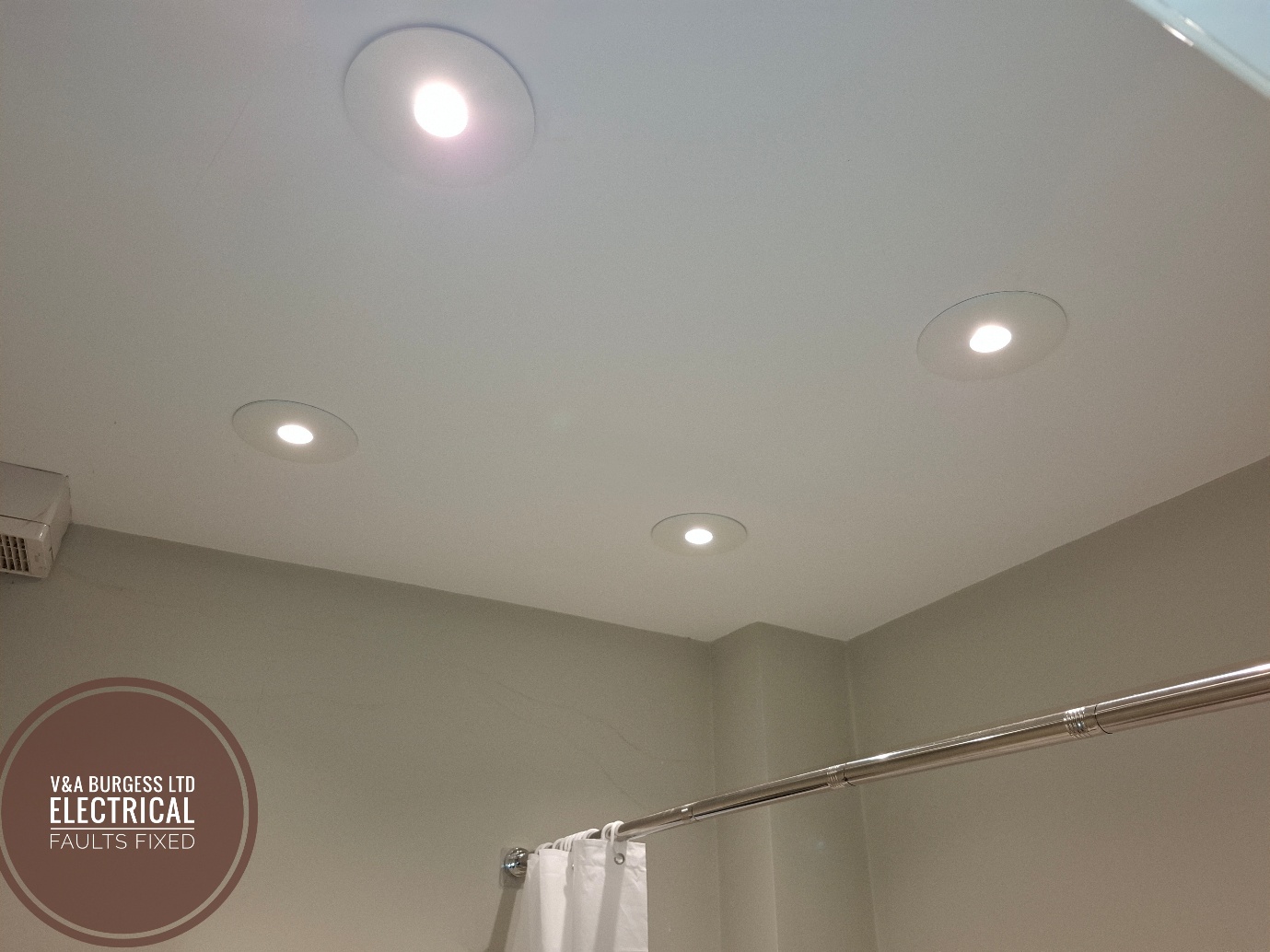
One of the most common causes of flickering lights is a loose bulb. If a loose light bulb does not make good contact inside the fixture, power delivery can become intermittent as electrical current struggles to flow causing increased heat leading to burning.
Incandescent bulbs may flicker due to loose filaments, while LED bulbs may flicker if they are poorly manufactured.
Simple fix:
Turn the power off, tighten the bulb, or replace it with a new bulb. If flickering continues, the bulb itself may be faulty. When replacing the bulb carefully inspect the bulb holder with the power off to see if there is damage.
Back to top
3) 2. Poor-Quality or Incompatible Bulbs
Light bulbs’ quality can affect performance and life span. Poor-quality bulbs or incompatible bulbs often flicker because they have cheap components.
LED lights and smart light bulbs are particularly sensitive to incompatible dimmer switches so double check that your new bulbs will actually work with your existing dimmer.
Best solution:
Upgrade to high-quality bulbs, replace incompatible dimmers and bulbs and choose a brand which is known for high quality products and offers customer support.
Back to top
4) 3. Voltage Fluctuations
Voltage fluctuations can occur when there is large demand in the area on the grid supply. At busy times of day when power demand is high, voltage can dip causing lights to flicker. If your home is remote, you can suffer with voltage drop over the longer distance of the power cables.
Occasionally, bad weather can also cause issues with the voltage so look outside the window to see if there is a storm, heavy rain or high winds that may be affecting your supply.
First thing to do:
Check if neighbors are affected. If so, contact your utility company and inform them, they may have works taking place in the area affecting supply.
Back to top
5) 4. Large Appliances Starting Up
Large appliances like an air conditioner, washing machine, or other high-powered appliance draw a surge of power when they start. This can temporarily reduce enough voltage available to lighting circuits. As lights require a more constant voltage, they may flicker just like when you start your vehicle and the lights dim.
Fix:
A qualified electrician can rebalance electrical circuits or install dedicated circuits for electrical appliances. They should also check for any loose connections in the panel or fuse box at the same time.
6) 5. Overloaded Circuit
An overloaded circuit occurs when too many electrical devices demand power from a single circuit breaker at the same time. This is a common problem in older homes not designed for modern electrical demand where aging wiring may also be a factor.
Warning signs:
- Lights flicker when appliances turn on
- Breakers trip frequently or get hot
Solution:
A licensed electrician can redistribute loads or upgrade circuits to prevent electrical fires.
Back to top
7) 6. Loose Wiring or Electrical Connections
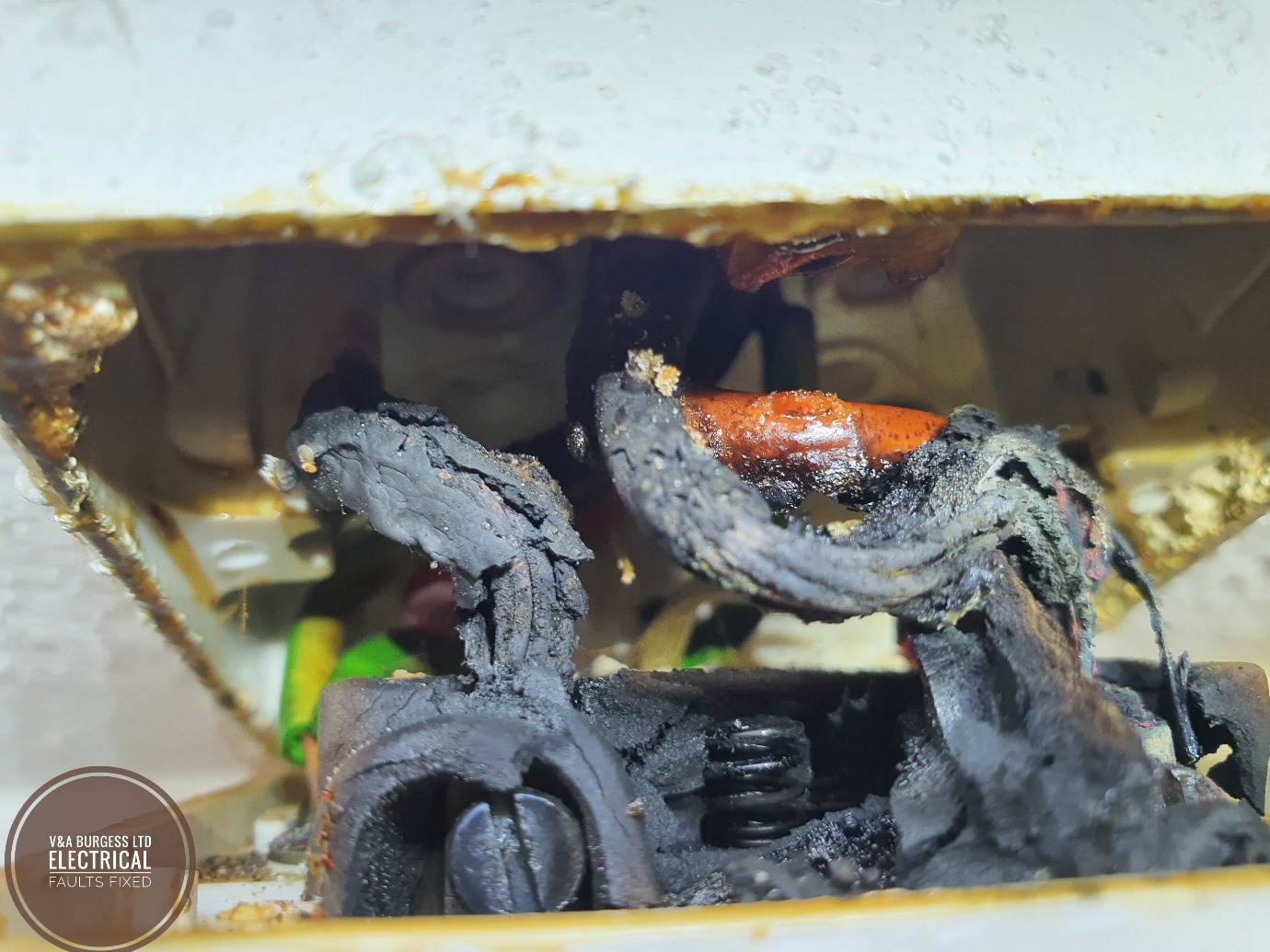
Loose wiring and loose electrical connections are serious electrical issues and a major cause of house fires. According to the National Fire Protection Association, faulty wiring is a leading cause of electrical fires. Electrical connections can become loose over time with heating, cooling and supply frequency vibrations.
Action required:
Persistent flickering combined with buzzing, heat, or burning smells requires immediate professional help.
8) 7. Faulty Light Switches or Outdated Wiring
Faulty light switches and outdated wiring can interrupt power flow, cause electrical arcing leading to light flickering issues. This problem is especially common in older homes.
Fix:
Replace faulty switches or upgrade outdated wiring using professional electrical services.
Back to top
9) 8. Electrical Panel or Circuit Breaker Problems
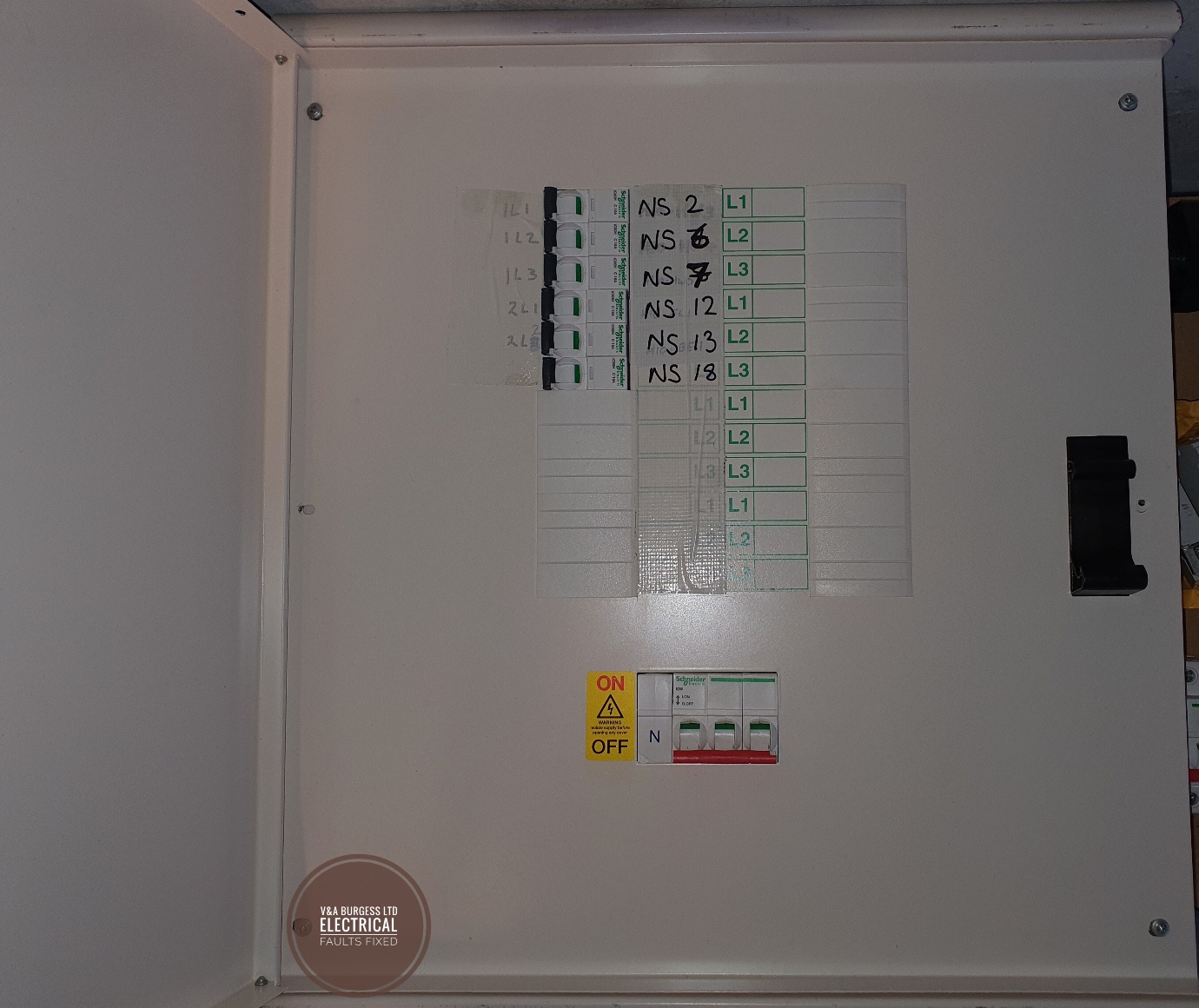
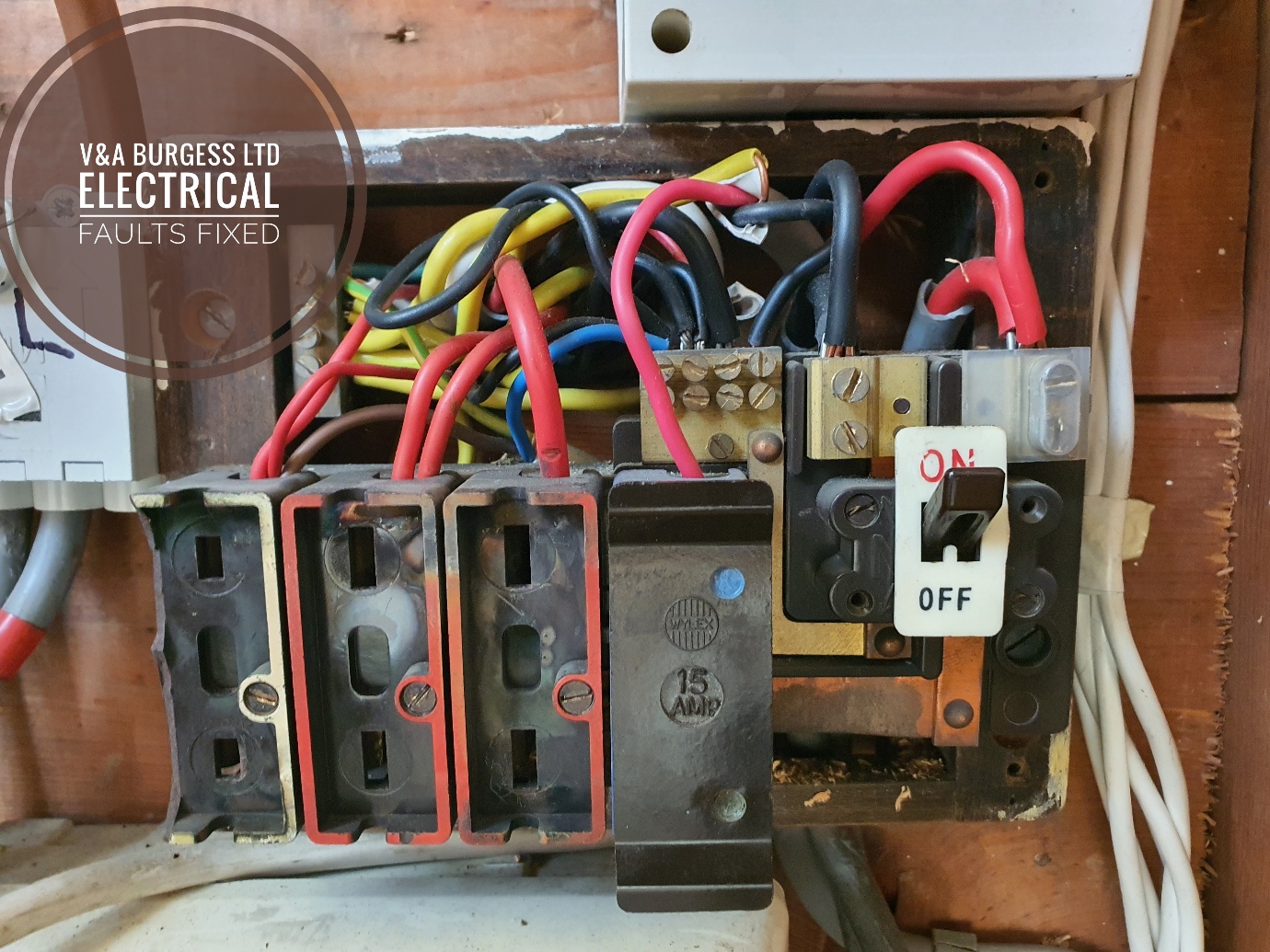
The electrical panel is responsible for splitting the mains supply into separate circuits and distributing electricity around your home. If there are issues with the panel, the main switch or individual circuit breakers then this could cause lights to flicker. Loose connections and corroded switch gear are common especially with older electrical installations.
Best solution:
Have a licensed electrician inspect the electrical panel and circuit breakers to avoid severe damage and potential fire hazards.
10) 9. Utility Supply and Power Line Issues
The cause of flickering lights can sometimes occur outside the home. If there are issues with the power grid, power lines from the plant to your home or other supply equipment then this can affect the incoming supply and cause lights to flicker.
What to do:
Report ongoing issues to your utility company, especially if multiple homes are affected.
Back to top
11) 10. Faulty Light Fixtures
A failing light fixture can also be the root cause. Loose internal wiring or heat damage may interrupt current flow.
Fix:
Replace the fixture or have it inspected by a qualified electrician.
Back to top
12) When Flickering Becomes Dangerous
Ongoing flickering lights is a situation that should not be ignored. This can mean that you have faulty wiring, loose electrical connections, overloaded circuits or other serious electrical issues that may increase the risk of electrical fires and house fire.
Contact a professional electrician immediately if:
- Flickering lights occur in multiple rooms
- You notice burning smells, sparks, or overheating electrical equipment
- Breakers trip off frequently
- Flickering gets worse over time
Back to top
13) Final Thoughts
Flickering lights can happen for various reasons, from a loose bulb to major electrical supply issues. Dealing with electrical problems like flickering lights as soon as they happen could save you from extensive damages and from spending a lot of money!
When a quick fix does not resolve the issue, seeking help from a licensed electrician provides peace of mind and protects your home’s electrical system for years to come.
Back to top
- Inicie sesión para enviar comentarios