
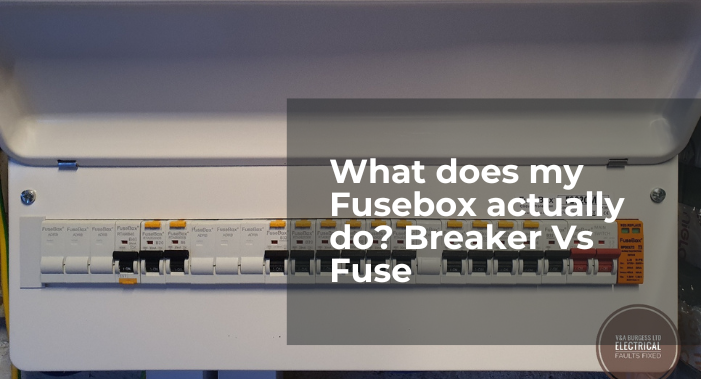
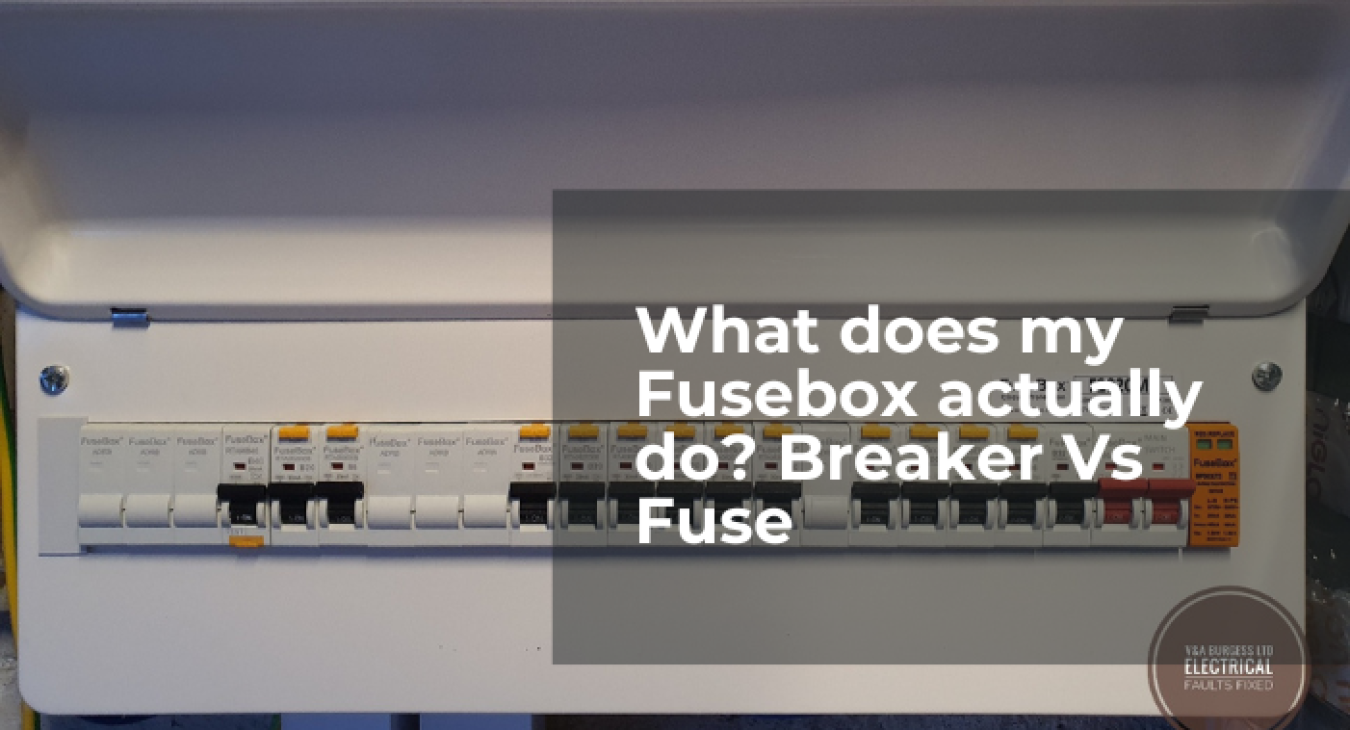
The big electrical box (Fuse Box, Consumer Unit etc) lurking somewhere in your home has a number of important purposes as well as important safety features. Modern fuse boxes perform a variety of important tasks such as protecting your electrical wiring from overload and damage, preventing electrical shocks, monitoring circuits for electrical arcing and preventing all manner of electrical mishaps.
Table of Contents
- What types of fuse boxes are there?
- What about Older Fuse Boxes?
- What are RCD and Ground Fault Circuit Interrupters?
- What is a Breaker vs a Fuse?
- Miniature Circuit Breaker, what is it?
- What are the advantages of a New Consumer Unit over an Old Fuse Box?
- How long does a Fuse Box last and when should it be changed?
- How long do Circuit Breaker Boxes last?
- Can you install a Residual Current Device to protect an Old Fuse Box?
- What do i do if a circuit breaker trips?
- What are the danger signs of a failing fuse box?
- Conclusion
The fuse box (also known as a consumer unit or breaker panel) also has the responsibility of dividing the mains power into separate circuits to divide the flow of electricity around the home where it is needed. The fuse box prevents too much current from causing electrical fires or cable damage. The fuse box is vital to your home's electrical system and without it we would need incredibly thick cables to every light bulb, light switch, socket outlet and appliance in our home.
The main job of the fuse box is PROTECTION.
Let's have a look in more detail:
Back to top1) What types of fuse boxes are there?
This magical box of tricks is referred to by several official and unofficial names including:
- Trip box
- Trip switch box
- Fuse box
- Consumer unit
- Breaker box
- Breaker Panel
- Mains Box
and many many more. Generally speaking, a FUSE BOX contains fuses or fuse wire and a CONSUMER UNIT contains circuit breakers and other devices with trip switches.
Back to top2) What about Older Fuse Boxes?
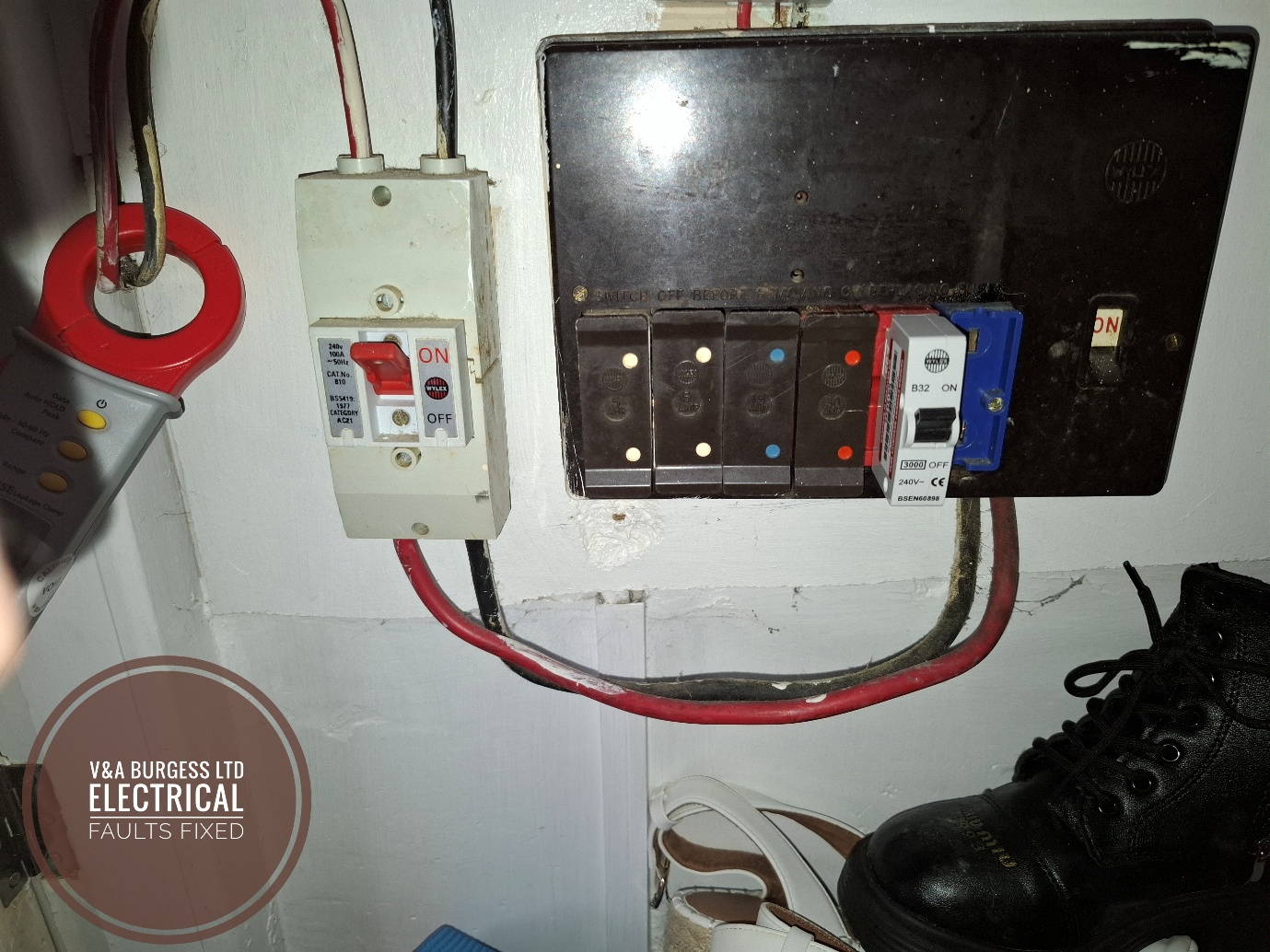
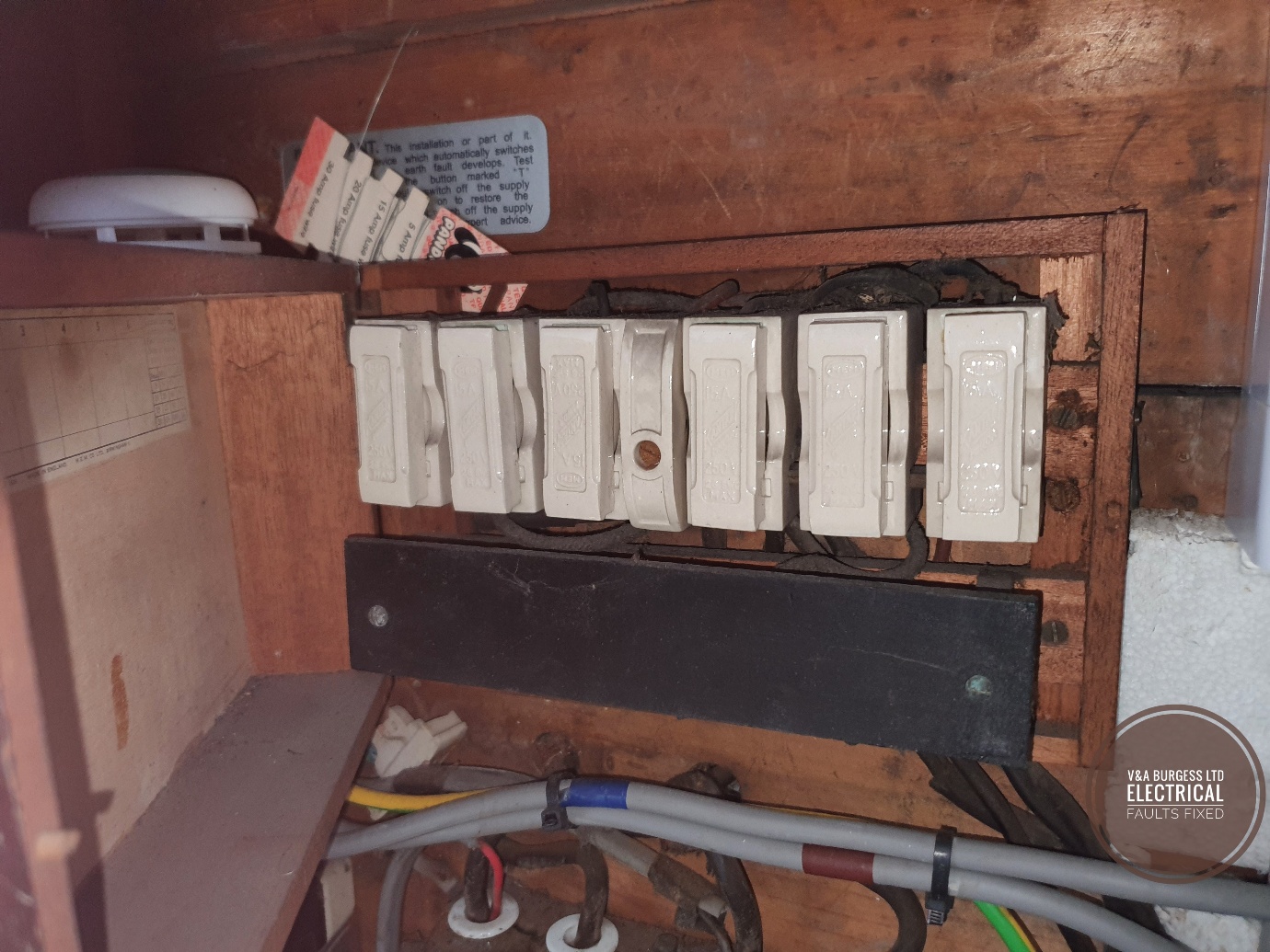
Many older homes will still contain the original fuse box that was installed when the home was built. Depending upon its age this fuse box may not be up to the task of protecting your wiring any longer. A fuse box that only contains cartridge fuses, fuse wire or asbestos flash guard type fuses is likely to need replacing urgently. Whilst this older style of fuse box will prevent some overloads and short circuit faults, it will not offer protection against electrical surges, electric shocks or electrical arc faults.
3) What are RCD and Ground Fault Circuit Interrupters?
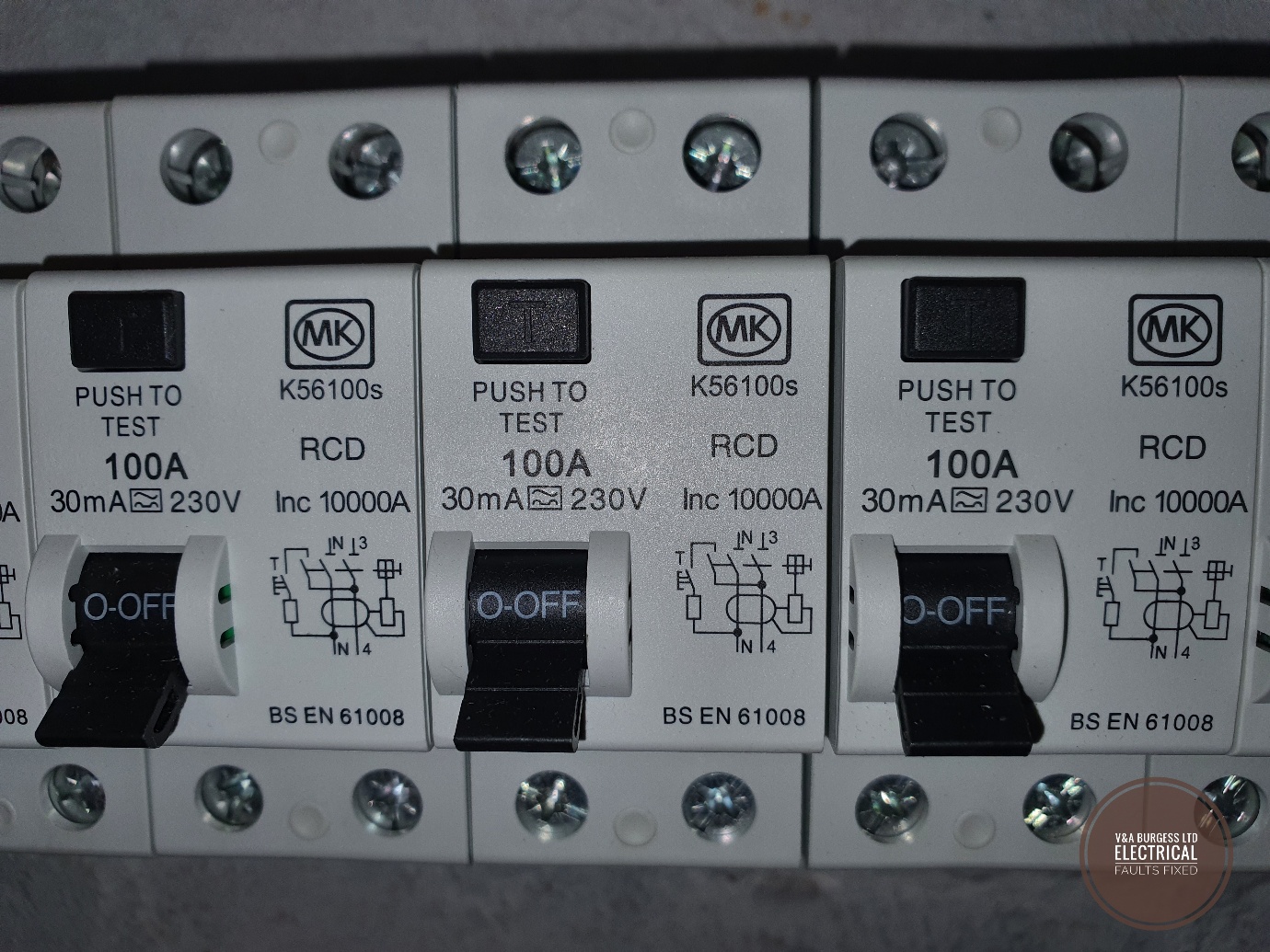
A Residual Current Device (EU) or Ground Fault Circuit Interrupter is a type of trip switch that detects missing electrical current from your electrical circuits. The assumption being that if there are stray earth currents, someone is likely having a serious electrical shock. These clever residual current devices sense this type of fault and disconnect the circuits to prevent any serious harm. A fuse box or consumer unit that lacks this type of protection should be swapped for a more modern fuse box / consumer unit / breaker panel to ensure that the latest safety features are installed in your home.
4) What is a Breaker vs a Fuse?
A circuit breaker is a device that trips when there is electrical overload or large fault currents caused by short circuit issues. The device has a switch that allows the circuit to be turned on once the fault has been cleared.
A Fuse is either a piece of wire or a cylinder that also protects against overloads and short circuit fault currents. Once a fuse blows, it cannot be repaired, it has to be replaced.
Both these devices perform the same tasks but the convenience of modern trip switches means that fuses are generally seldom used in most domestic installations these days.
Back to top5) Miniature Circuit Breaker, what is it?
A miniature circuit breaker is also known as a breaker, trip switch or circuit breaker. These devices are installed in most consumer units and fuse boxes across the UK (2026) and are gradually being replaced for more modern devices such as the RCBO (Residual Current Breaker with Overload) which offers protection against earth faults, electric shock as well as the protection afforded by fuses and circuit breakers.
These MCB's will be installed by your electrician to protect your different circuits. Each circuit will require its Overcurrent Protective Device (OCPD) which will be rated according to the demand of the circuit, the cables installation routes and conditions.
Back to top6) What are the advantages of a New Consumer Unit over an Old Fuse Box?
A new fuse box (or consumer unit) will contain all the latest safety technology to detect almost every type of electrical fault. Modern consumer units are designed to offer the latest and most up-to-date protection for your electrical system. They protect from a power surge, overloads, earth faults, electric shocks, arcing and short circuits. Without a modern fuse box, you may have difficulty selling your home, claiming on your insurance for electrical problems and you could be risking an electrical fire.
7) How long does a Fuse Box last and when should it be changed?
The very old fuse wire style fuse boxes are still in use in some homes in the UK and strangely enough, as there is little to go wrong with them, they may well keep going for some time yet. Despite the "it isn't broke so don't fix it" approach, these units will NOT be offering adequate protection to you or your home any more and should be swapped.
Back to top8) How long do Circuit Breaker Boxes last?
More modern circuit breaker box type fuse boxes tend to last around 25-30 years. At this point, various switches (including miniature circuit breakers) will begin failing internally. There may or may not be any outward signs of failure occurring but rest assured, these circuit breaker type boxes are not designed to last forever. Problems are often accelerated where fuse boxes are subject to damp, significant temperature changes, dusty environments and so on. The Main Switch often fails first in a fuse box or consumer unit.
Back to top9) Can you install a Residual Current Device to protect an Old Fuse Box?
Whilst installing an RCD may offer electric shock protection in an older fuse box, it is unlikely that this will comply with our UK Wiring Regulations BS7671. An upfront RCD that protects the whole installation is likely to breach several regulations including 531.3.2, 314.1 and 314.2, as such, this means a new consumer unit is required in order to comply with the latest regulations.
Consult a qualified electrician to establish if your fuse box or consumer unit needs updating.
Back to top10) What do i do if a circuit breaker trips?
The worst thing you can do if a circuit breaker trips is to continually reset the switch or re-wire the fuse. These devices trip for a reason, usually faulty electrics, appliances or components. If the switch for the socket outlets trips then BEFORE calling an electrician, unplug all your equipment from the socket outlets and attempt to reset the tripped switch.
Back to top11) What are the danger signs of a failing fuse box?
There are a number of common signs that your fuse box or consumer unit may be failing such as:
- Unusual Smells
- Frequent Replacements of fuses or trip switches
- Tripping Switches
- Crackling noises
- Intermittent Power Loss
- Switches or Fusebox Overheating
- Signs of staining, browning or heat damage
- Flickering Lights
This is not an exhaustive list of issues that could occur during fuse box failure. If you suspect that your home's fuse box is beginning to fail, your fuse box is very old or in any way damaged then its extremely important to get in touch with a professional electrician immediately to establish if there are any safety concerns or repairs that need addressing.
Back to top12) Conclusion
To sum up, your fuse box isn’t just a metal box tucked away in a cupboard—it’s the heart of your home’s electrical safety. It quietly protects your wiring, appliances and family every single day. While older fuse boxes might still “work,” they simply weren’t built to handle the safety standards and electrical demands we rely on now. As these systems age, parts wear out and the risks of shocks, faults or even fires increase. Paying attention to odd smells, frequent tripping or signs of heat can help you spot trouble early. If you’re unsure about the condition of your fuse box—or it’s been many years since it was checked—getting a qualified electrician to take a look is always the safest option.
Back to top