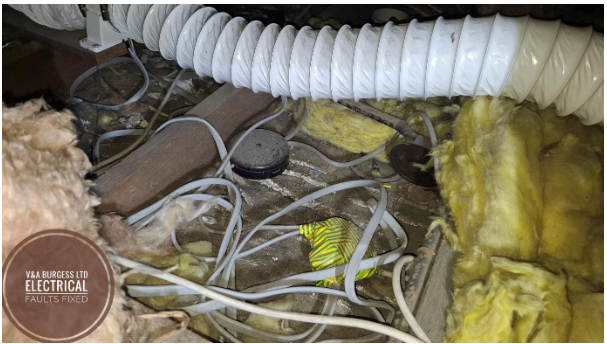
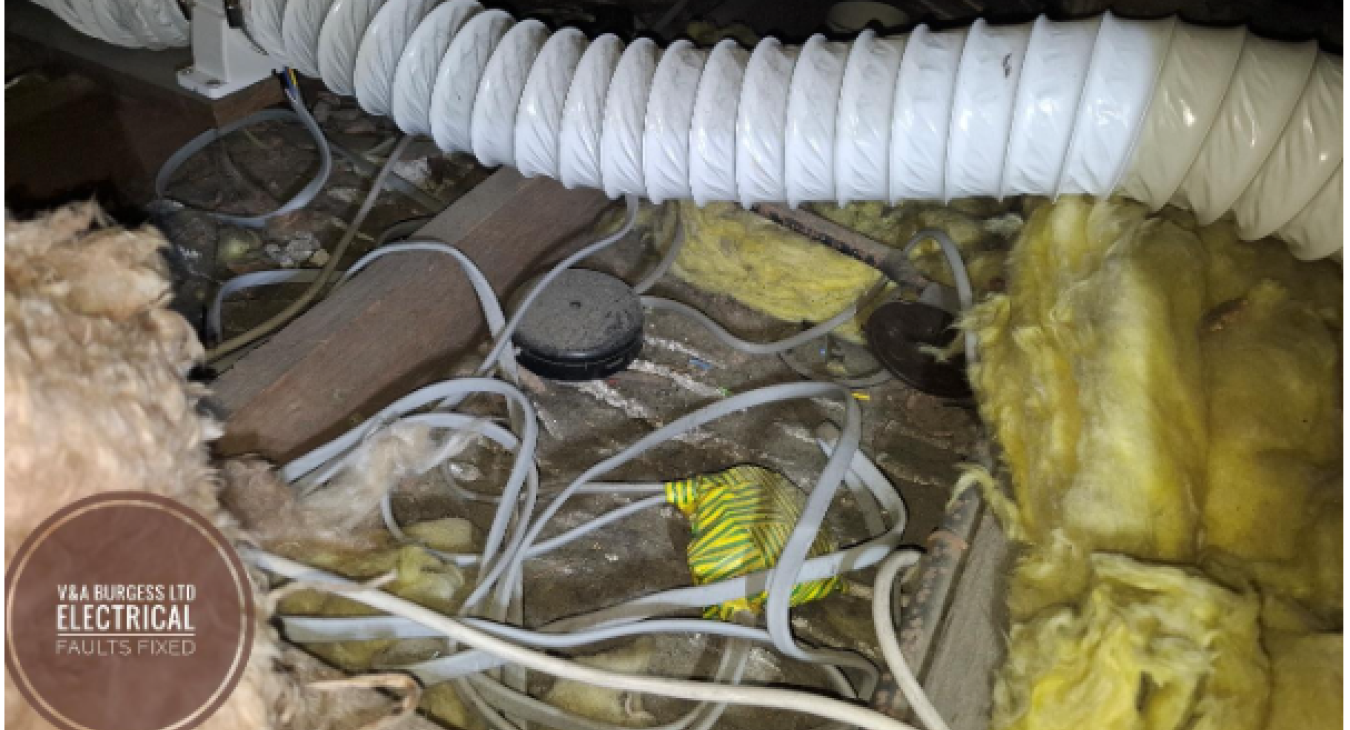
Are Exposed Electrical Cables or Wires dangerous?
In some cases, exposed wiring can be dangerous in other cases it’s absolutely fine! In this article we will look at which wires may be dangerous and which cables are often ok to be left alone.
1) Exposed Wires in the Home
In electrical systems within the home, the wiring is normally buried in the walls, floor or up in the attic space. This wiring should be installed in accordance with local wiring and building regulations and should be signed off by an electrician. Where electrical wires are exposed, it is normally sensible to contain them in conduit (plastic or metal pipe) or trunking (plastic or metallic surface mount channel).
Examples of cables that are normally safe to be exposed:
- SWA (Steel Wire Armoured) cables surface mounted
- Flex Cables on appliances
- H07 or other modern rubber cables
- 'Twin and Earth' - Grey or white flat sheathed cables
- Data or Internet Cables
- TV aerial cables
- Low voltage Alarm Cables
Examples of cables that are not normally safe to be exposed:
- Single insulated cables
- Coloured cores of cables
- Any bare metal showing from cables
If you are unsure if your cabling is safe to be exposed, then it’s best to have an electrician check them out for you. It’s worth an hour of a professional’s time to have a look around or a few hours of their time carrying out an electrical inspection for your home.
Back to top2) What are single insulated cables?
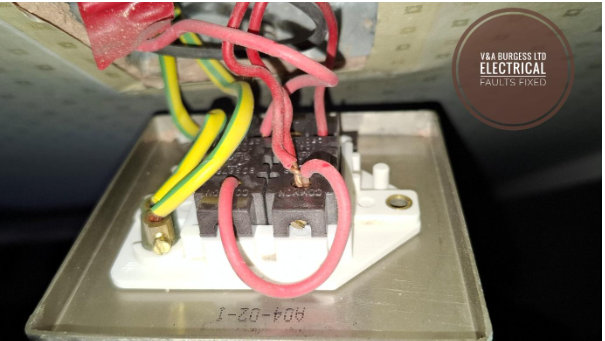
Single insulated electrical cables carry electrical current around the electrical circuit in the same manner as insulated and sheathed cables. Single insulation only provides one layer of protection for electrical wiring and as such, is not suitable for use where cables are likely to suffer any form of knocks, bangs or accidental impacts. Single insulated cables have their place in electrical systems but should be offered suitable protection such as conduit, trunking or electrical enclosures to prevent damage.
Back to top3) Live Wires and Voltage
Where cables carry a voltage that could introduce a risk of electrical shocks it’s best to ensure that the cable is installed safely in accordance with the manufacturer’s instructions, the wiring regulations and building regulations or local codes in your area. Power cords on electrical appliances are often fine to be exposed and when you think about it, how else would the appliance get its power from a socket outlet if not by a flex cable?
Mains cables that carry 120 volts upwards should be installed in a manner in which they are unlikely to suffer damage. Such damage could occur from mechanical impact, UV damage from the sun if installed outdoors or other factors such as rodent infestations, water ingress or mechanical strain.
Where electrical wiring is likely to suffer breakdown, impact or other damage, consideration should be given to re-installing the cables in a safe manner.
Back to top4) Extension Cords
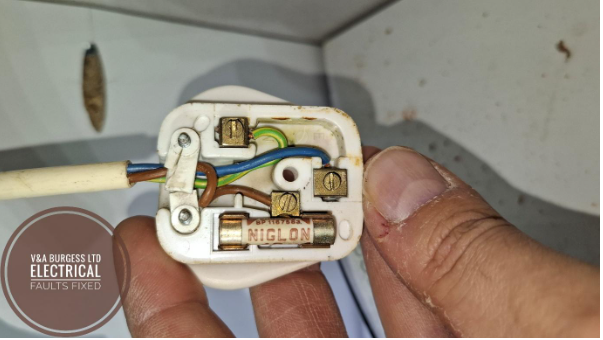
Electrical cords that form part of an extension lead, power strip or other power splitting device are often fine to be exposed. If you can see single insulation from a power cord or extension lead, then this has become unsafe and needs repair or replacement. Check out our article relating to the dangers of extension leads, extension cords and power strips.
Extension cords should really only be used as a temporary measure rather than a permanent solution within your home's electrical system as they are not intended to replace the need for more socket outlets. Overuse, overloading and over-reliance on extension cords can be a fire hazard. The risk of fire comes from the potential for overloading and associated overheating. It’s a better idea to limit the use of extension cords and ask an electrician to install more socket outlets for your home.
Back to top5) Flexible Cords and Exposed Wires
Where flexible cords are used for appliances, great care should be taken to limit electrical hazards and reduce severe electric shock risk. Take for example the washer or dryer, these appliances are usually heavy, difficult to move and come with a flexible cord in order to connect them to wall outlets. It is all too common for this cord to become trapped under the appliance or appliance feet. When this happens, cord damage may not occur immediately but rather over a period of time where further damage occurs due to the weight of the appliance on top of the cord.
It is important to carry out regular inspections of appliance cords to ensure that their outer jacket is intact. Avoid direct contact between appliance cords and heavy appliances and where you have an exposed cable that has coloured insulation visible, replace the damaged cable immediately.
Back to top6) Exposed Mains Cables
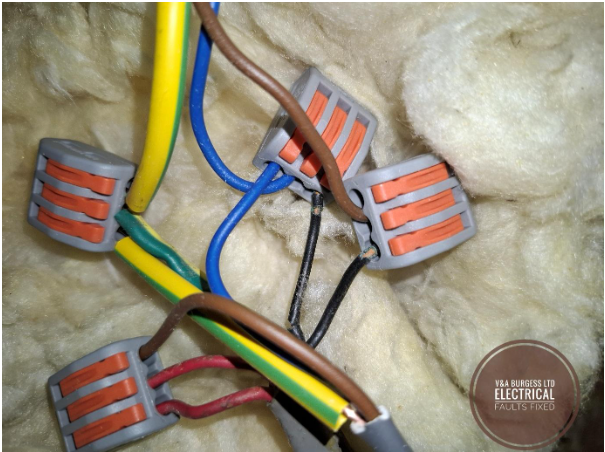
It is common for mains cables to be exposed in areas like domestic garages, commercial buildings and industrial premises. Where this is the case, so long as the risk of electric shock has been properly assessed by an electrician and preventative measures taken to prevent extensive damage, the cables should be fine. An exposed electrical wire in a domestic garage is often at more risk than an exposed cable in a commercial setting. The risk of damage depends upon the use of the area in which cables are installed. Most domestic garages are fine, but where excessive personal belongings are stored, regular DIY activity takes place in the area or other change in circumstance to when the cable was installed, the risk of damage increases.
Back to top7) Can Electrical Tape be used to cover Damaged Wires?
Where electrical connections have been made, damage to a wire has been sustained or there is a serious risk of electrical shock, electrical tape can be used as a VERY TEMPORARY measure to prevent immediate risk of electric shock. Let me be clear, temporary measure means a couple of days max until professional assistance in the form of a qualified electrician can be sought. Electrical tape is not a permanent repair or protection solution, and electrical issues cannot be solved with tape!
An electrician can assess the extent of the damage to appliance cords, electrical wiring and other power cables and then repair or replace where necessary. Temporary fixes have a habit of becoming permanent solutions but many a temporary solution leads to dangerous situations if not addressed properly and promptly.
Back to top8) Summary
The safest cables to be exposed are those that have little to no voltage present such as data, TV aerial, Internet and phone charging / USB cables. Where mains cables are exposed, the higher voltage brings higher risk of electric shocks and other electrical safety concerns. The most important thing to do where you suspect electrical safety hazards is to contact your local qualified electrician. Only professional electricians can determine whether exposed cables are a risk, can reinstall safely to local electrical codes and help to keep your home safe.
Back to top
Read more articles
- Log in to post comments